Context
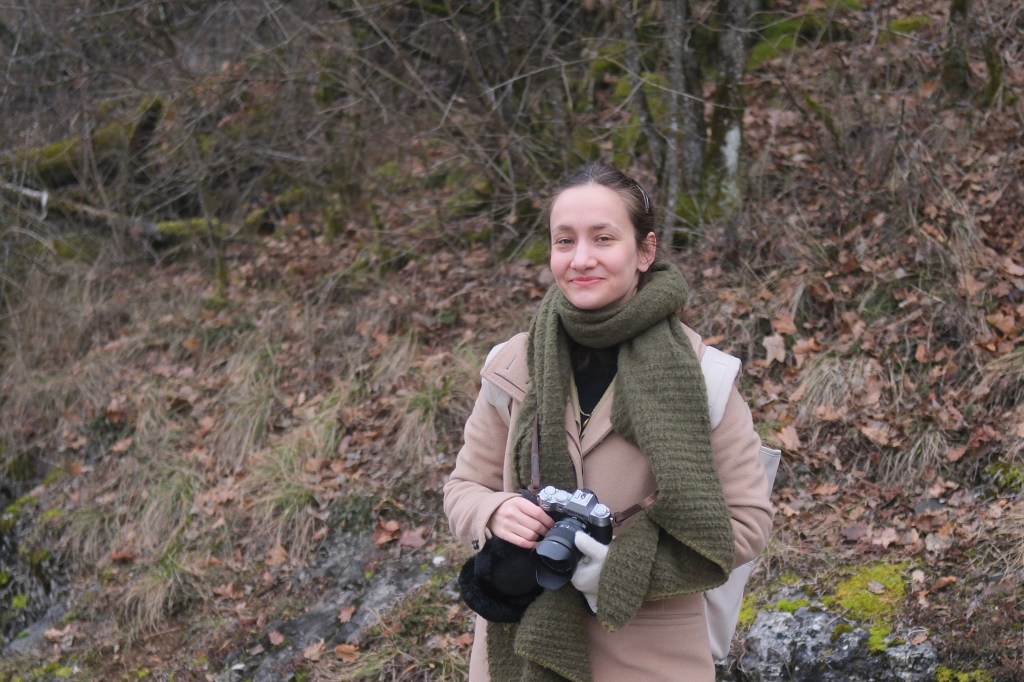
For the last 5 years, I have been living in French-speaking Switzerland, Delémont, in the Canton of Jura. I am Turkish. Before coming to Switzerland, I did not speak a word of French. Jura is at the border to German-speaking Switzerland, which makes it necessary to learn both French and German for the kind of lifestyle that I am seeking: A lifestyle where I don’t limit myself only to the offers of the canton I live in.
I am 31 years old, married to a Swiss. We moved here together after living in Istanbul for a year before our marriage. We loved our time there, but the decision to move was practical. During the time of moving, I was still a student, in the process of finishing my masters in Arabic literature.
Intro
Five years of living and trying to integrate in Switzerland made me both spoiled and exhausted. Spoiled because my standards on quality of life went very high in areas like walkable cities, nearby and well-kept nature, public goods, the level of kindness and respect for personal boundaries in society. Exhausted because Switzerland is a wonderfully complex country—with four national languages, significant cantonal differences in customs and dialects —where the social warmth often takes years to unfold that newcomers need more time to integrate and participate in society. In this blog post, I’ll tell you more about each of these facets with examples from my experience, and close with a few regrets that might help others avoid my mistakes.
Positives
Positives first: Switzerland spoiled me in some of the best ways: The quality of pretty much anything “Swiss Made”is always a reassuring signal. Swiss products might be expensive, but often worth it because they really think throughly before doing things. Public areas are kept clean and tidy, not only by cleaners but also with the help of the Swiss society. A Swiss hiker would never throw trash into nature, even if that means he has to carry it for hours until he finds a trash bin.
What I also appreciate a lot as an introvert is the respectful, non-negotiable calm hours during rest times. The hours that you aren’t allowed to make noise is decided by law, and pretty much everyone would voluntarily follow it. During the night, during lunch time, during Sundays – no loudness is allowed. This year we have a construction going on next to our house that can get very loud at times but during lunch time or after 6pm, it’ll be all quiet and we are able to get rest.
The public transport infrastructure, especially trains, that takes you anywhere in the country and brings you back home reliably on time is amazing. Both the punctuality as the regular hourly or half-hourly connections made my two and half years study time possible, without having to move to the university city. Thanks to it, I could travel to my university that was around 80 kms away, no matter when my classes started or ended.
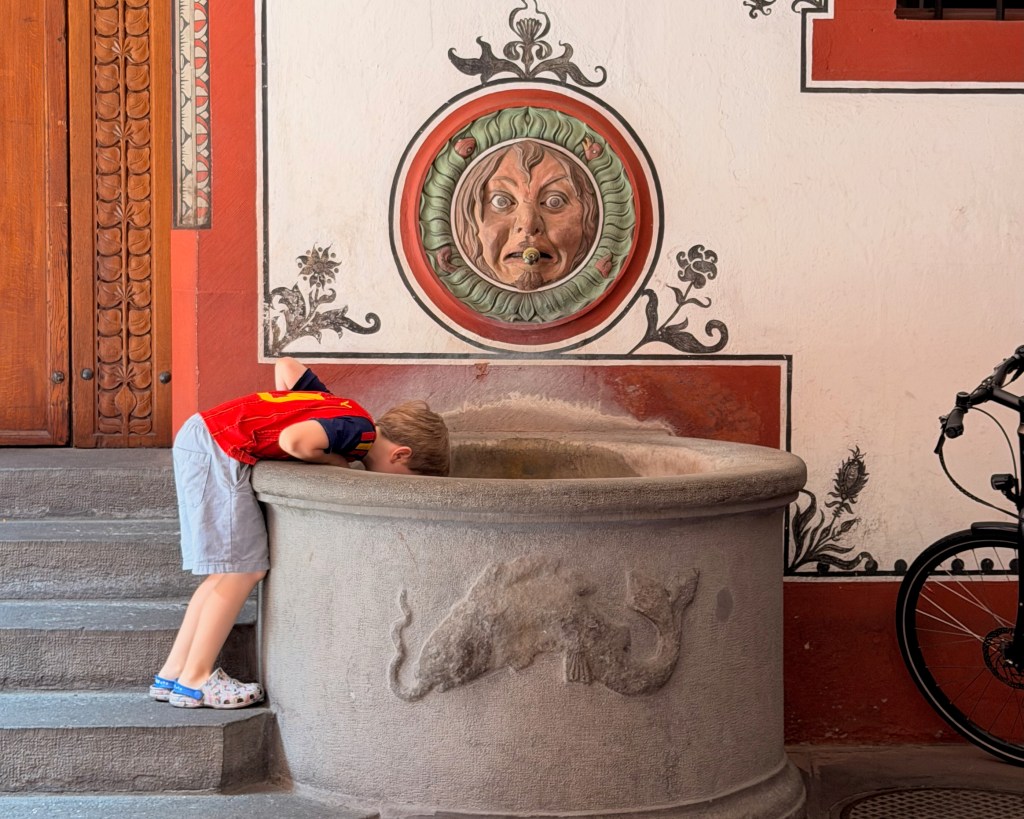
Another aspect that can seem like a detail but is a fact that make a change is the clean, fresh, drinkable (sometimes Alpine) water that simply flows from your faucet to your glass. Not only at your house but also when you are out and about, you’ll also find public fountains with fresh drinkable water everywhere. It’s enough to take an empty bottle with you and you can fill it from these fountains whenever you get thirsty.
When it comes to the social etiquette here, the default kindness and patience that I see from Swiss people in day to day life is very valuable to me. Being kind and considerate is the norm, you don’t change that except for exceptions. You would rarely see an angry Swiss person shouting in a public place. Discussions are made calmly, there is no need to shout.
When I arrived first from Istanbul and realized that nobody hurries when queuing up to go inside the train as if they silently agreed on it, I was positively surprised. Everyone patiently waits until others leave and then calmly boards on the train. No competition to get seats, there is usually enough for everyone 🙂
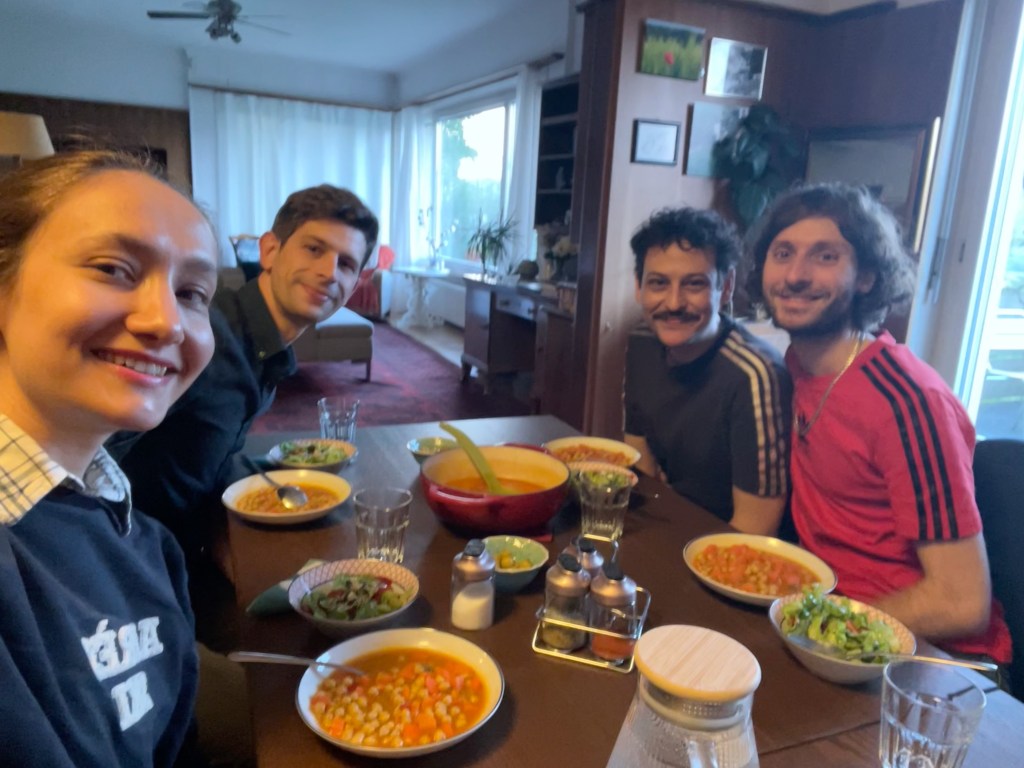
Also, there is a huge respect and understanding for personal space, preferences and boundaries. As someone who loves socializing but sometimes has a lower social battery time than others, when I meet Swiss friends, I feel comfortable to leave at an earlier hour than others if I have plans or if I simply had enough socializing. Which is not always the case in other cultures. Also, I feel less stressed to invite friends over here for a simple meal without making the whole house spotless before. 🙂 I have the impression that people are more relaxed when it comes to hosting their friends which makes it easier for everyone.
There is also this humble attitude and mentality that our appearance and clothes does not matter so much, meaning you don’t need make up or fancy clothes to be respected, natural is great. I have seen people with their hiking clothes in fine-dining restaurants enjoying their food without anyone staring at them because “they don’t have the proper dress code”. Even though I personally like to dress up from time to time, knowing that I would not be judged or stand out if I don’t is -as long as I am clean and tidy- relieving and comforting for me.
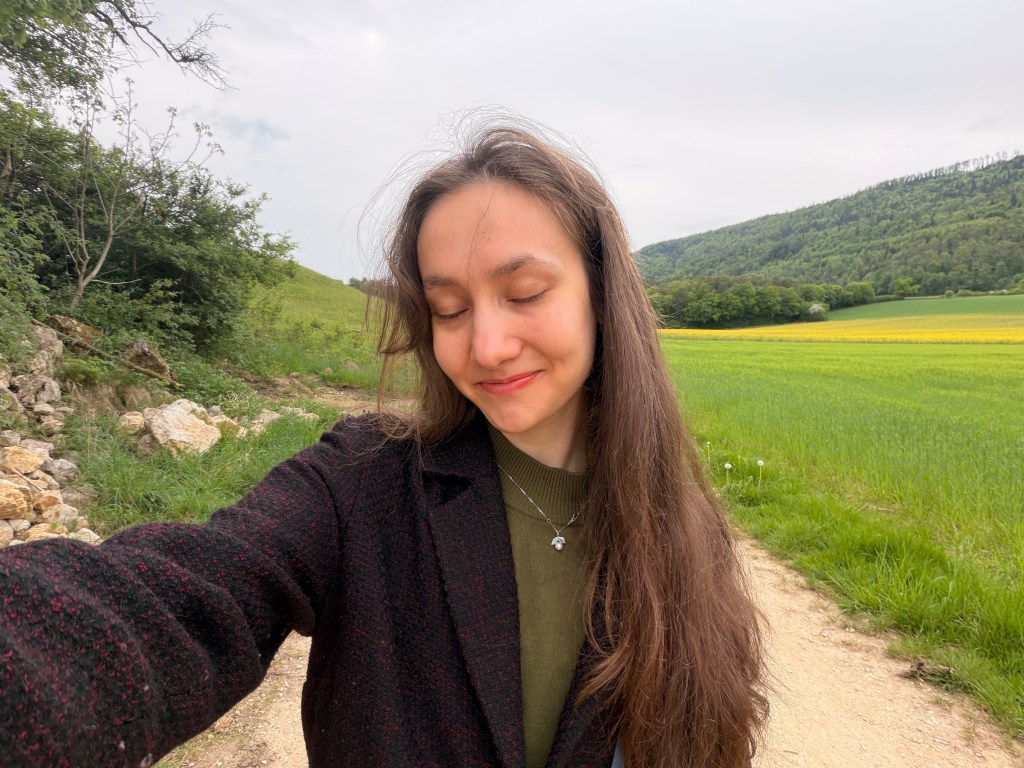
Talking about the hiking culture, the country is full of hiking paths. The hiking network is huge, can be easily navigated in SwissTopo app. Paths are also shown with yellow signs, sometimes also with information about how long a hike takes from point to point.
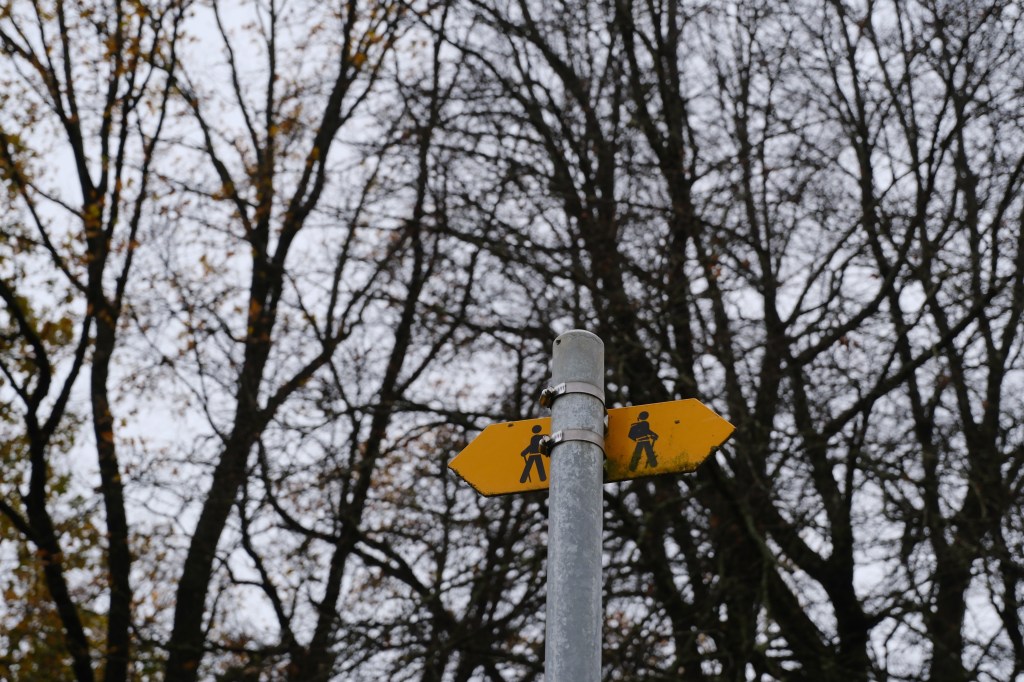
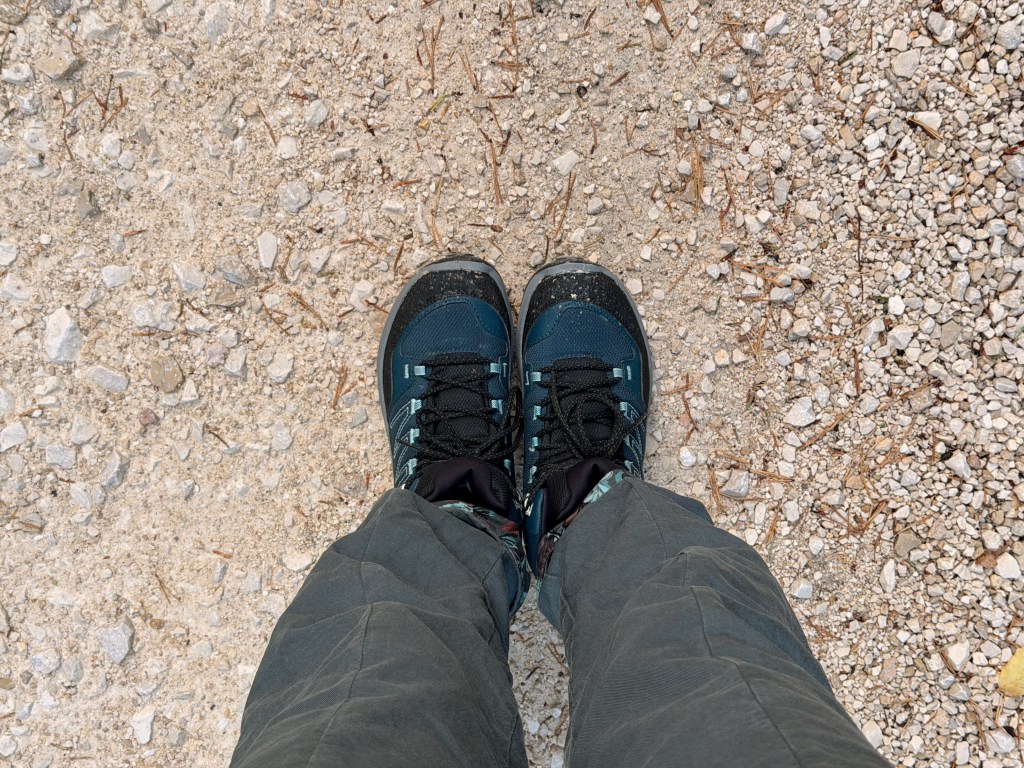
Swiss people don’t see climbing the mountains or hiking quite steep hills as a once-in-a-while adventurous activity, but as a regular fun activity regardless of their age. I always loved walking, and although I am not anywhere close to Swiss-level hiking capabilities yet, I also lately started to enjoy to go paths that are more challenging and closer to hiking than walking. Oh, and at the end of 5 years, I finally got my first hiking boots! Apparently, they really do support you better than sneakers. 🥾
Struggles
Every coin has two sides though, and Switzerland is no exception. Integration here comes with a long to-do list, and language is one of the most demanding items on it. Add to that the fact that Swiss cantons can be remarkably different from one another: each has its own traditions, its own linguistic mix (one or more of the four national languages are spoken in it), and its own cantonal dialect and cantonal laws. In fact, these dialects can differ so much that even Swiss people struggle to understand each other – the dialects of Zurich and Valais being the most famous example.
Let’s start with the professional side of the struggles, because this is where I’ve felt the most challenged.
Finding a foothold in the Swiss job market takes a brave heart, especially if you don’t come as a specialist in a high-demand field like pharmacy or tech. In my case, even though I held a degree from one of the best universities in my home country, it carried little weight here. When I went to the government office to take advice on jobs I can do – this was after one and half years in, after I got my French B1 certificate- they adviced me to either make a degree here in a Swiss university or be happy with a cashier job. Imagine my disappointment to be adviced for working as a cashier after years of academical education. But it was what it was. I understood that Swiss companies value Swiss degrees, plain and simple.
So I went back to university. As my latest degree was not relevant to Switzerland, I started my master’s in business management at Neuchâtel.
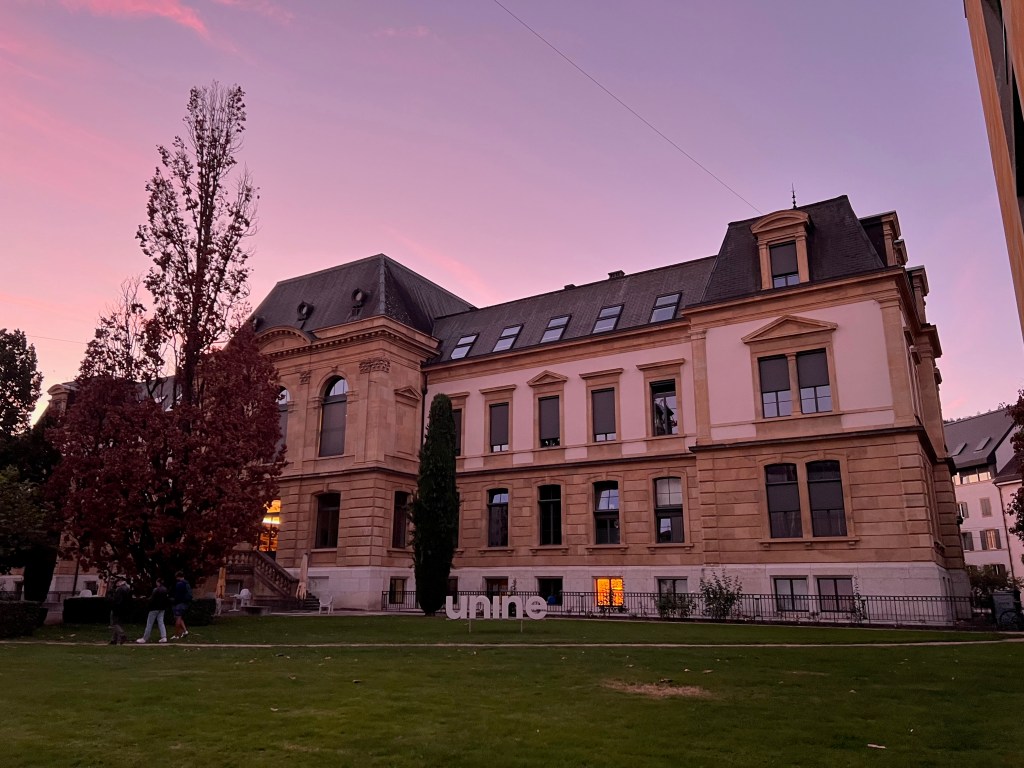
For the next two and a half years, I was juggling: my master’s program, pushing French from B1 to B2, and pushing German from A2 to B1. By the time I graduated, I had a Swiss degree, DELF B2 certificate in French, and Goethe B1 certificate in German.
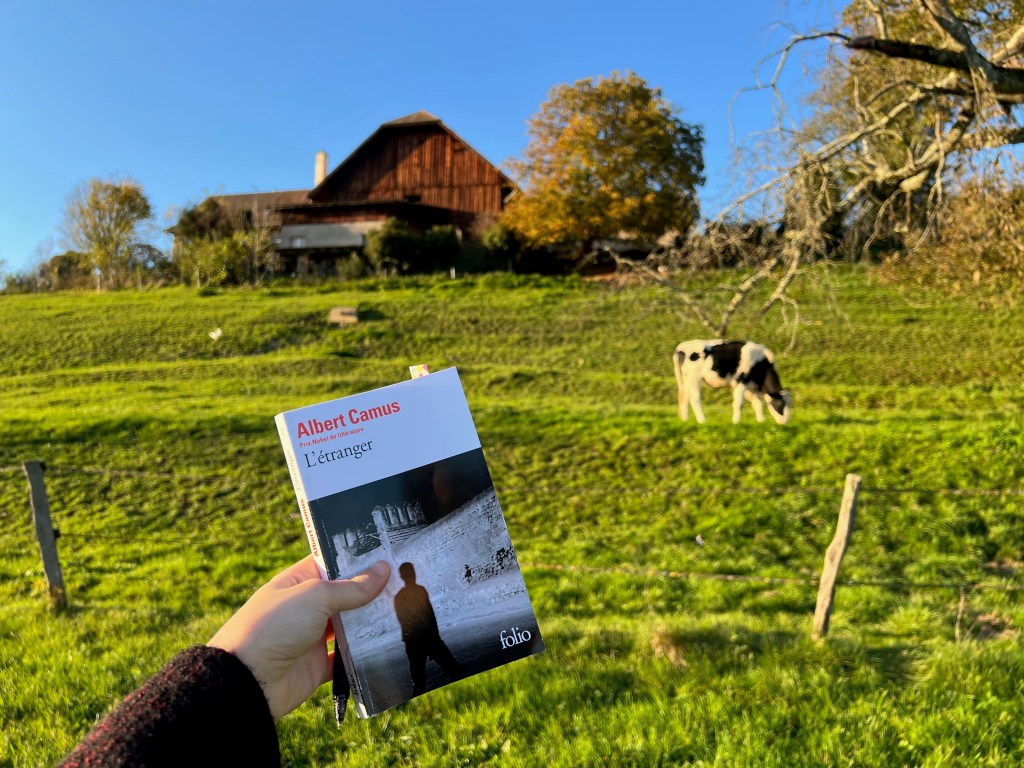
Then came the internship hunt. I was 30, with two university degrees, and I was applying for internships alongside fresh graduates. A process full of rejections. Then I remembered that another immigrant friend of mine made an internship at this non-profit association at Biel and wanted to try my chance there. The interview took one hour and forty minutes, the first half an hour being in German and rest in French. There were also other candidates who applied for it, Swiss candidates, either French or German being their native language. But still, I was chosen for the internship. I tell this to just say it is not a volunteering or an easy internship that i am doing, and I am proud of myself knowing the courage it took to jump in for it and the effort it requires now to do it for a whole year.
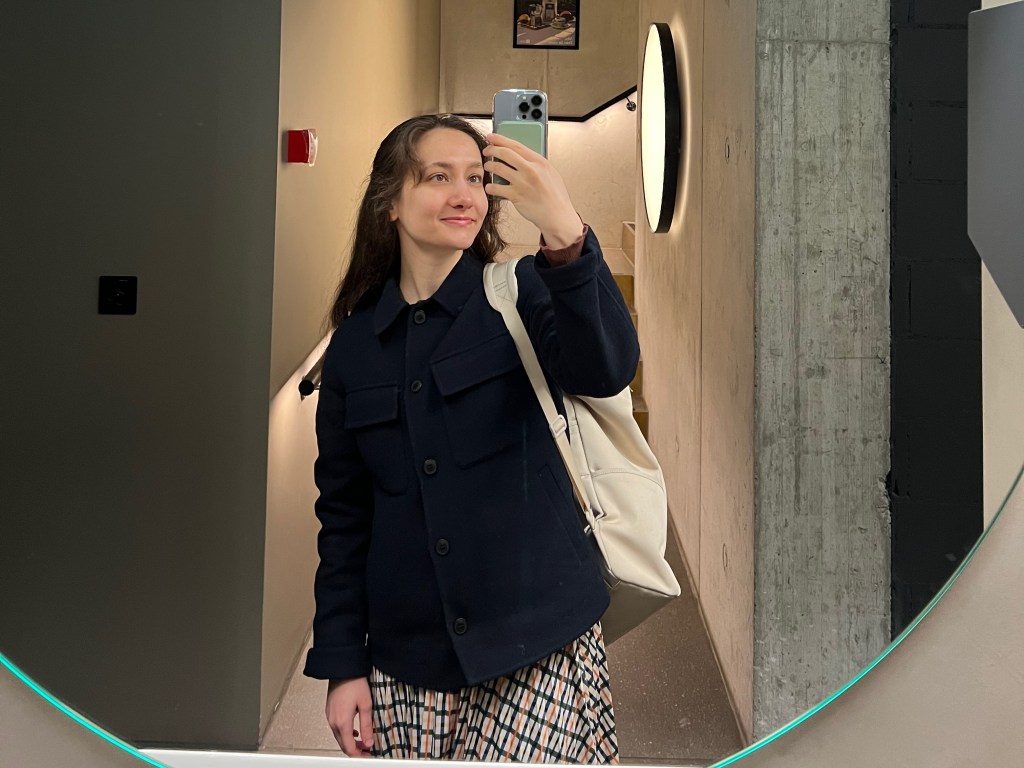
As you see, of course always also depending on your background, integrating into work life in Switzerland can require a huge amount of effort, energy and patience. All that being said, I believe and hope that in near future I’ll see the real fruits of my efforts and I’ll say “All of it was worth it”. 🙂
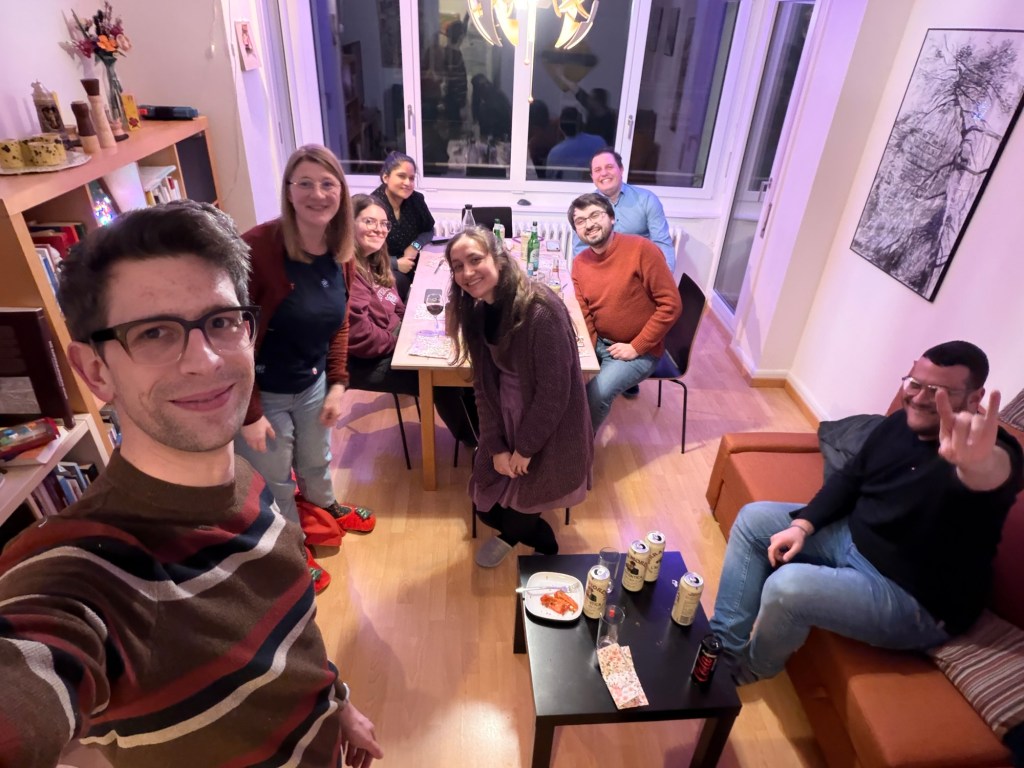
Last but not least, let me talk about integration into social life/making friends here. As I have a Swiss husband, this facilitates my situation in many areas, but not as much as one would assume for the social life. My husband left the city he grew up as a child (the one we are living in now) after middle school and returned to it together with me after our marriage. As you can guess, this means he does not have many friends at the place we live. He had one good friend with whom he also studied the university together, with whom we regularly visit each other. He also has a few good colleagues who later became friends in the city he works at. But other than that, the rest of my husbands friends are in different parts of Switzerland, Germany or in the other parts of the world. So rather than coming to a ready social circle to welcome me at least in the beginning, I needed to mostly create it on my own so that I don’t become a hermit.
The journey of making Swiss friends and getting invited to Swiss homes or friend circles isn’t the most easy one in the world. To give you a point of comparison, in the last 5 years, I was invited to 3 different Swiss houses in Switzerland in total (3 different people’s houses, some of them happened more than one time). On the other hand, a Swiss friend of us is visiting Turkey right now for a few weeks and he was already invited to more houses in this short period of time than me. 🙂 This comparison is just for you to see my reference point. I understand and accept the different mentality here. I also find it more logical to invite people to your personal space after the trust is built. And I think as I finally have more mental space (and linguistic capacity) to do more social interactions now, the social part of my life will also slowly but surely change towards the better.
My Regrets (Advices for Newcomers)
Looking back, there are a few things I wished that I did differently, which could have made my integration smoother and quicker.
The wrong mindset I had in the beginning that if I contact with Turkish communities, this will hinder my integration
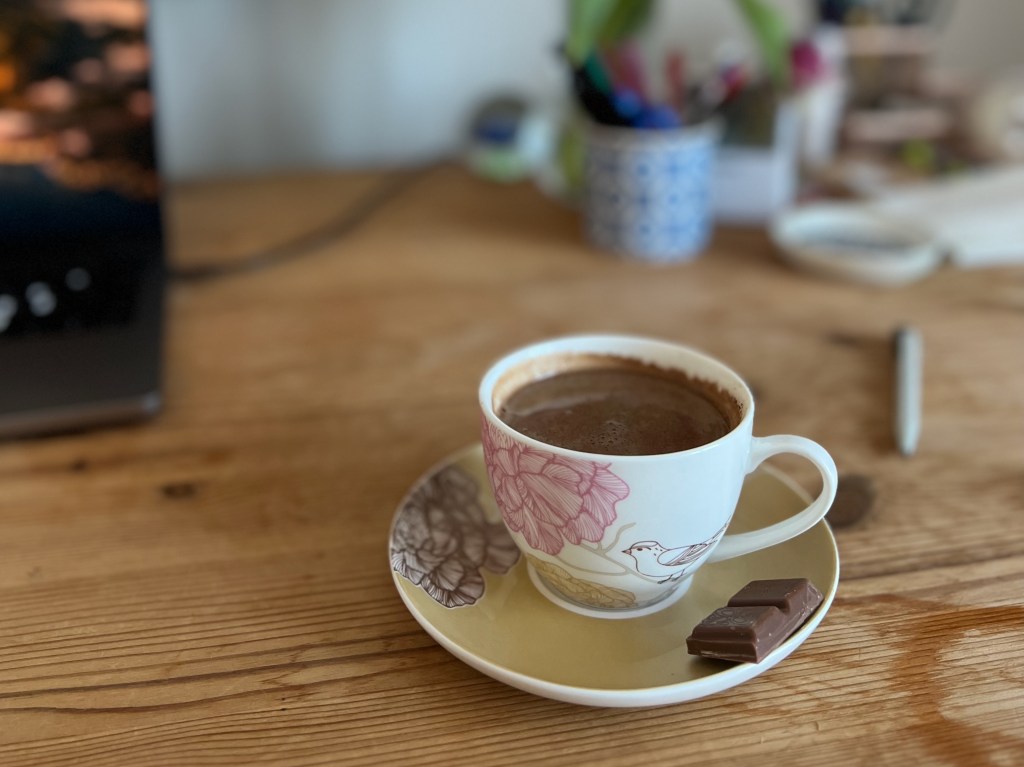
I had this belief that if I joined Turkish communities and made Turkish friends here, it would block me from integrating. So I didn’t look for them. But it doesn’t have to be that way. A support group that understands your struggles, that maybe arrived here before you did, could give you valuable tips about how things work around here. One does not exclude the other. I could have interacted with both Turkish communities and locals. Even just meeting with one-two Turkish friends over a Turkish coffee could have saved me some therapy sessions 🙂
Not investing in a good language school or online language learning from the very beginning
At first, I didn’t know how or where to learn the language, and I felt shy about moving around the cities to find a language school. I started with self-learning using online materials for a few months. Then I joined a language course for immigrants in my canton. But I wasn’t really in the target group for this course. All the other students had very different conditions—they hadn’t been to university and had never learned a foreign language before. I don’t mean to sound snobbish, but this meant the course was way too slow for me. Most teachers also didn’t speak English, so at beginner level it was not a good experience. It slowed me down a lot.
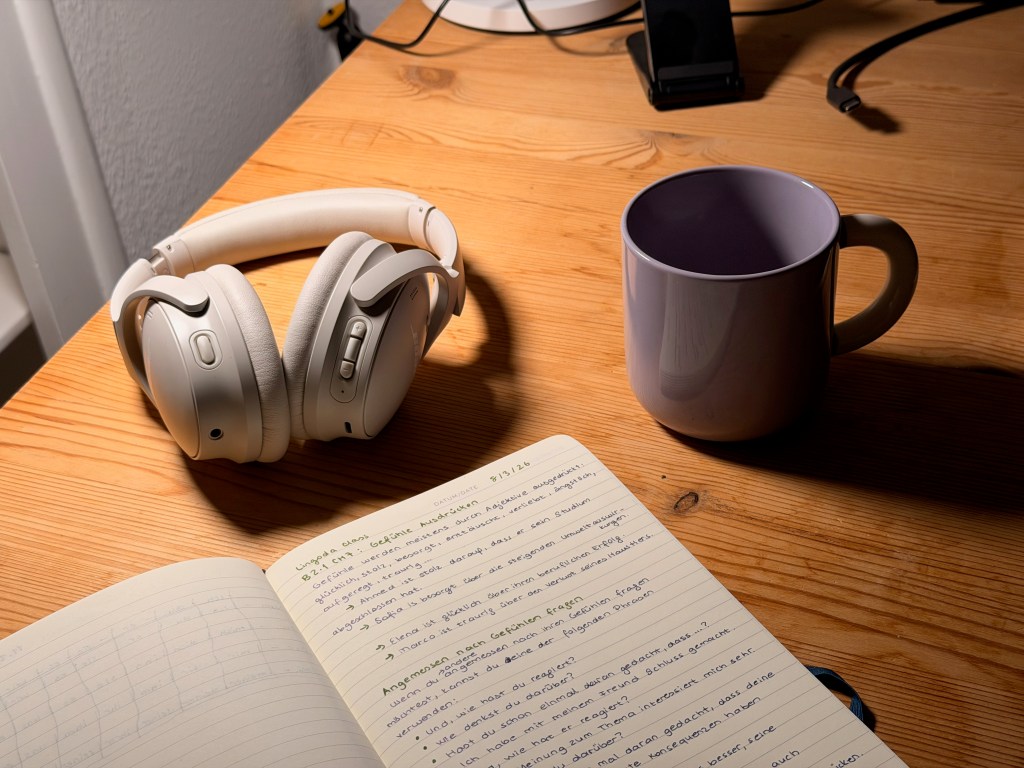
After finishing A2 there, I switched to an online platform with live lessons, and this worked much better for me. If I could go back, I would combine a good face-to-face language school for a few days a week with an online platform to practice what I learned.
Delaying my career for the sake of learning the language first
I thought that before taking any steps for my career, I had to handle the language first. I went to seek career advice only after getting my B1 French certificate. But since career advice and language learning aren’t totally separate, it would have been smarter to explore both from the beginning. The master’s degree I did was in English. Although knowing French helped with administrative tasks at the university, it wasn’t vital. Plus, the university had French language courses – I could have had a better course experience and slowly started my master’s alongside it.
Maybe I would still have preferred the first year to be fully dedicated to language, but two and a half years was way too long, and not for a good reason. It took that much time mostly because I couldn’t find the right tools to learn more effectively.
Not using the offers of non-profit associations or international communities enough
There are a lot of international communities on Facebook according to where you live. There are also associations Caritas, it is a chain of non-profit association that has a lot of interesting offers for migrants. Although their first aim is to help with poorness, some of the centers have more inclusive offers. They have centers in many cantons and organize great activities (Bern: Wandern&Deutsch sprechen etc). Although the offerings in my city were limited, I could have looked in neighboring cities or at least connected with the community there. Even a few events could have expanded my network and made me feel less alone in the early years.
Outro
I won’t lie, it’s a very care-demanding love. But I do love Switzerland with all my heart. Over these five years, I’ve developed a familiarity and connection that makes me feel I’m in the right place. I sincerely appreciate the mentality of the people, the lifestyle (especially in cities that are both lively enough and close to nature), the functioning democracy, the feeling of safety, and the wonderful uniqueness of this country.
Thank you for reading! If you have questions—or if you’re on a similar journey—I’d love to hear from you. Leave a comment or reach out through the contact page. Take care!
If you like, you can read the fourth year’s reflections here.


Leave a comment